“Can be planted” search results (10000)

Introduction to the planting environment of Ethiopian coffee
Due to different planting methods, coffee can be divided into three types: forest-semi-forest coffee (Forest or semi-forest coffee), courtyard coffee (Garden coffee) and plantation coffee (Plantation coffee). 60% of the coffee belongs to forest-semi-forest coffee. In such a wild coffee forest, pesticides are not used at all, but biological methods are used to control pests. 35%
2016-06-15 Ethiopia coffee planting environment introduction due to different ways
Coffee is used for deodorization and deodorization.
1. Plant nourishment. Coffee grounds contain the nutrients needed for plant growth, so pour it into the flowerpot, which not only acts as fertilizer, but also has no peculiar smell. If you circle the root of the plant, you can also achieve the goal of not attracting insects. two。 Deodorization and deodorization. Coffee grounds have the ability to absorb odors, so they are good helpers for deodorization. Coffee grounds can be put in a small plate and put in the toilet to remove the smell.
2015-09-17 Coffee magic use deodorization plants nutrients coffee contains growth need want
Yunnan coffee industry is ready to start.
Zhang Kui said that when he grows 50 mu of coffee, his annual net income can reach 170,000 yuan to 80,000 yuan, while planting corn in the same area can only earn 10,000 to 20,000 yuan a year. Due to the guidance of policy and the high profit of planting coffee, the planting area of coffee in Yunnan has increased from 23000 mu in 1988 to 1.02 million mu now.
2014-07-14 Coffee News Yunnan Coffee Coffee Industry Coffee Encyclopedia
Common Diseases and pests in Coffee cultivation and Prevention and Coffee basic knowledge
(1) Pest control 1. Coffee tiger longicorn beetles are distributed in all coffee producing areas in the world, and also occur in Yunnan, Guangxi and Hainan Island in China. It is one of the major pests of coffee. The coffee tiger longicorn beetle harms the coffee trunk for more than 2 years. At first, it eats between the cambium and xylem, and then eats the xylem. The victim was a curved tunnel filled with sawdust.
2015-10-07 Coffee planting common diseases and insect pests control methods basics common sense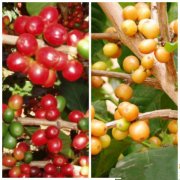
Important conditions of Coffee cultivation basic conditions of Coffee Tree planting
There is a noun called coffee belt. There are more than 60 coffee producing countries in the world, most of which are located in the tropics and subtropics between the Tropic of Cancer (latitude 2326). This coffee growing area is called coffee belt (Coffee Belt) or coffee area (Coffee Zone). The annual average temperature of the coffee belt is above 20 ℃, because the coffee tree is a tropical plant, if the temperature is below 20 ℃.
2015-03-28 Coffee cultivation important condition planting basic there is a noun called coffee.
The basic knowledge of Coffee planting conditions
Coffee belt: coffee can not be grown in any environment, because it is originally a plant growing in a tropical rain forest, and in phylogeny, it forms the habit of requiring calm wind, cool, shaded or semi-shaded and humid environment. Therefore, coffee has strict requirements on planting conditions. We call the strips on both sides of the equator, between latitudes 25 degrees south and north, suitable for coffee growth as coffee belts. 1 、
2015-04-23 Coffee planting conditions basics common sense coffee is in any environment can
Requirements for Inspection and Quarantine record of Coffee planting Base (Yunnan)
1. Base basic conditions and requirements 1.1 continuous and have a certain scale, the area should not be less than 100 mu. 1.2 there shall be a natural or artificial effective isolation zone around the base. 1.3 No pollution sources around the base, such as chemical plants, paper mills, professional feeding
2014-07-09 Coffee planting coffee planting base coffee inspection
Planting conditions of Coffee trees
Coffee belt: coffee can not be grown in any environment, because it is originally a plant growing in a tropical rain forest, and in phylogeny, it forms the habit of requiring calm wind, cool, shaded or semi-shaded and humid environment. We call the strips on both sides of the equator between latitudes 25 degrees south and north suitable for the growth of coffee trees as coffee belts. Temperature: the requirement for temperature varies with the species of cultivation, small
2016-06-06 Coffee planting conditions coffee is in any environment can be planted because of its
The planting Environment of Coffee beans in Nicaragua the Manor of Matagalpa
The planting conditions in Nicaragua are not inferior to those in Central American countries. Shaded coffee is grown at high altitudes. It tastes round and balanced with less sharp acid. The main unknown factor is war and hurricanes, which make a single farm unsustainable. There is no historical data for raw bean merchants to track and check farm data until after 2003, the bad factors of coffee quality are removed and backward intercourse.
2016-07-13 Nicaragua coffee beans planting environment manor introduction Mataga Erpa producing area
Introduction to the Coffee planting Environment in Honduras where the planting area belongs to the Mountain area
For coffee production, the geographical conditions of Honduras are no less than those of its neighboring coffee-producing countries such as Guatemala and Nicaragua. There are 280000 hectares of coffee plantations in Honduras, mainly small coffee plantations, most of which are less than 3.5ha. These coffee plantations account for 60% of the total coffee production in Honduras. In the coffee garden, because the planting land belongs to
2016-07-01 Planting belonging to mountain Honduras coffee environment introduction San Hu Xido production
What kind of natural environment does the coffee tree grow better? juice or coffee?
The planting conditions of coffee trees, however, not all the land located in this area can produce good coffee trees. The ideal planting conditions of coffee trees are as follows: the temperature is between 15 ℃ and 25 ℃, and the annual rainfall must reach 1500 mm to 2000 mm. At the same time, the rainfall time should be in line with the flowering cycle of coffee trees. Of course, except for the matching of seasons and rainfall
2016-06-12 Coffee what kind of natural environment growth better juice or coffee planting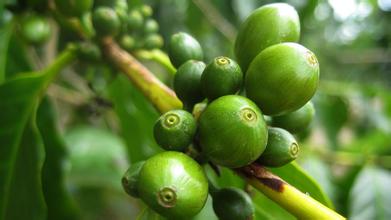
Introduction History of Yunnan Coffee, the Old varieties of Yunnan Coffee
Coffee originated in Ethiopia in north-central Africa. It was introduced into the Arabian Peninsula before the 15th century, introduced into Taiwan in 1884 and introduced into Hainan in 1908.
2016-03-31 Yunnan small grain old species variety coffee introduction history
Common Coffee Diseases and pests in Coffee cultivation and Control methods
It is distributed in all coffee producing areas in the world, and it also occurs in Yunnan, Guangxi and Hainan Island in China. It is one of the major pests of coffee. Coffee longicorn beetles, which damage the coffee trunk by larvae for more than 2 years, initially eat between the cambium and xylem, and then eat (1) pest control. 1. Coffee tiger longicorn beetles are distributed in all coffee producing areas in the world. Yunnan, Guangxi and Hainan, China
2015-02-16 Coffee common sense planting common diseases and insect pests prevention and control methods
What weather conditions are required for planting coffee trees
The planting conditions of coffee trees the origin of coffee trees is in Ethiopia, Africa. In botany, coffee trees belong to the evergreen trees of the subgenus Rubiaceae, and coffee beans, commonly known as coffee beans, are the seeds of the fruit of coffee trees, just because they are shaped like beans, so they are called coffee beans. Climate is the decisive factor for coffee cultivation, and coffee trees are only suitable for growing in the tropics or subtropics.
2016-06-13 Planting coffee need have what weather conditions planting
Introduction to the planting techniques of how many coffee beans a year can be produced by a coffee tree
The word coffee comes from the Latin word for the genus coffea. This genus is a member of Rubiaceae. It has more than five hundred species and 6000 varieties, most of which are heat-stagnant trees and shrubs. Linnemas, a Swedish botanist in the 18th century, described this genus, but botanists disagreed on its precise classification. There may be at least 25 coffee genera.
2016-10-24 One coffee tree can how high a year to produce how much coffee beans planting technology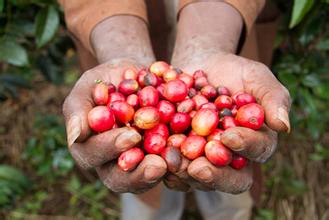
Where can I buy coffee beans online? Where can I buy coffee beans? Washing treatment of Musui treatment Plant in Rwanda
1. When buying beans online, you should pay attention to the production date, shelf life, packaging and sealing, the roasting degree of coffee beans, the types of coffee beans, and your utensils to determine what kind of beans you want. If you use blue mountain beans to make ESP, it is indeed a maverick way, but it is also too unprofessional and expensive, and the taste is not very good. The production date must be at least
2016-04-23 Online how can I buy coffee beans where to go buy good Rwanda Muxiu processing plant
The two most important coffee varieties in the world
Arabica coffee beans Arabica coffee tree plant morphology is relatively slender shrubs, leaves are oval, green, natural growth height generally up to 5-6 meters, artificial planting needs to control its height at about 3 meters, in order to facilitate future picking. Arabica coffee trees generally have a life span of 20-30 years.
2014-07-09 coffee knowledge coffee varieties arabica robstein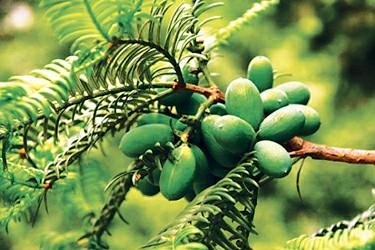
The planting conditions of coffee trees what kind of geographical environment is conducive to coffee planting and the introduction of coffee trees
Coffee tree coffee (Xoffea arabica Linn) coffee is a perennial evergreen shrub or small tree of Rubiaceae. It is a horticultural perennial cash crop with the characteristics of fast growth, high yield, high value and wide market. Wild coffee trees can grow to 5 to 10 meters high, but coffee trees planted on manors are often cut to less than 2 meters in order to increase fruit and facilitate harvesting.
2016-01-12 Coffee planting conditions how geographical environment favorable introduction
Understanding the planting and Distribution of Coffee trees
The planting and distribution of coffee trees the origin of coffee trees is in Ethiopia, Africa. In botany, coffee trees belong to the evergreen trees of the subgenus Rubiaceae, and coffee beans, commonly known as coffee beans, are actually the seeds of the fruit of coffee trees. They are called coffee beans only because they are shaped like beans. Climate is the decisive factor for coffee cultivation, and coffee trees are only suitable for growing in the tropics or subheat.
2015-08-19 Recognition Coffee planting Distribution Origin Africa Ethiopia
Control of Diseases and pests in Coffee
(1) Pest control 1. Coffee tiger longicorn beetles are distributed in all coffee producing areas in the world, and also occur in Yunnan, Guangxi and Hainan Island in China. It is one of the major pests of coffee. The coffee tiger longicorn beetle harms the coffee trunk for more than 2 years. At first, it eats between the cambium and xylem, and then eats the xylem. The victim was in a curved tunnel filled with sawdust.
2015-10-07 Coffee diseases and pests control diseases pests